

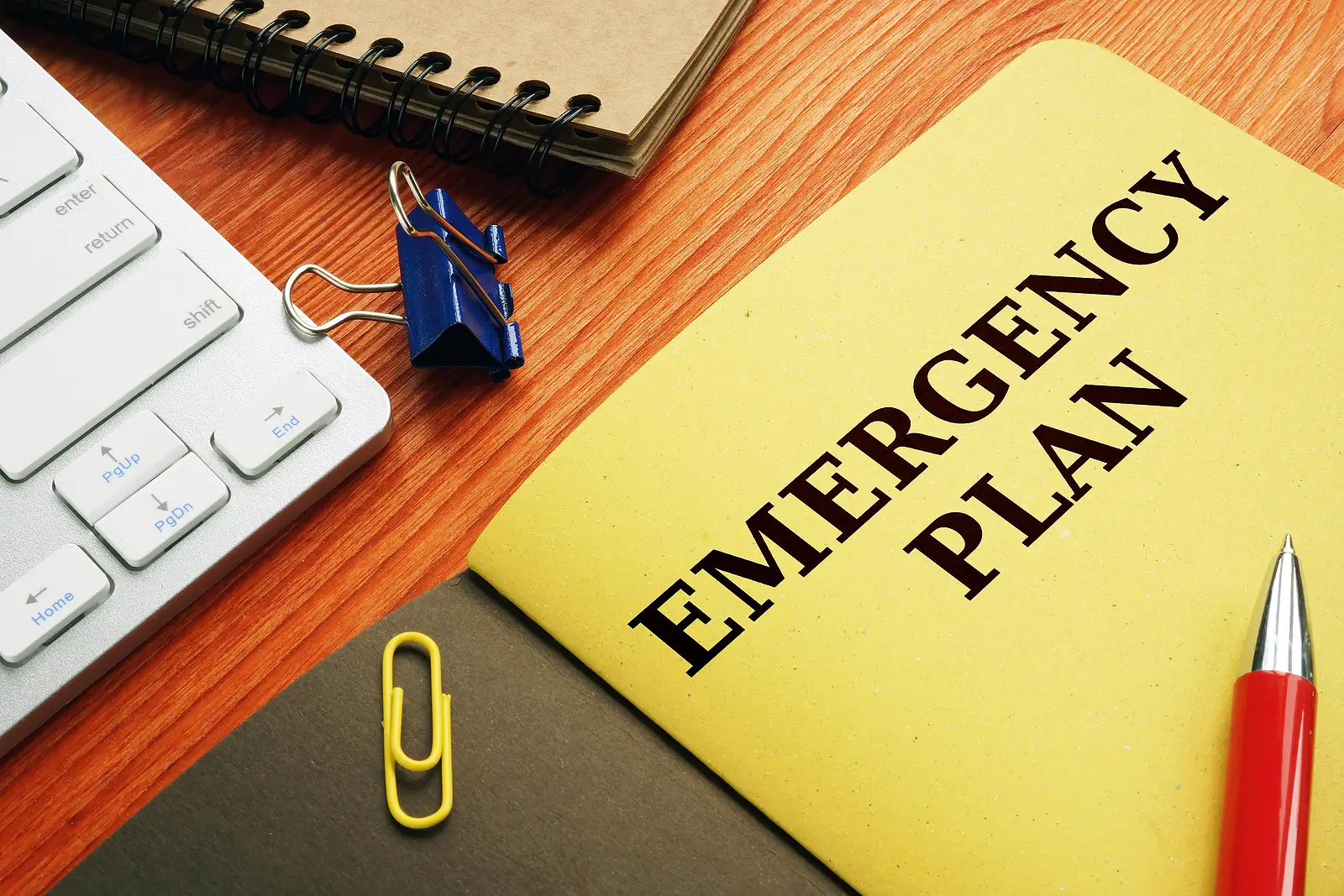
Eastern North Carolina regularly experiences natural disasters such as hurricanes, heavy rainfall, flooding, and extended power outages. NOAA’s National Hurricane Center provides historical tropical cyclone climatology for the Atlantic basin, which helps frame why hurricane season preparedness matters in North Carolina. From Goldsboro to Greenville, severe weather events can bring roof damage, fallen trees, flooded areas, and infrastructure disruptions that affect rental property performance and tenant safety.
For property owners, emergency preparedness is part of being a responsible landlord. Protecting property value means preparing before disaster strikes, not reacting after catastrophic damage occurs. A clear emergency plan reduces confusion, protects tenants, and helps limit property damage when conditions escalate.
As a trusted property management company serving Eastern North Carolina, Flagship Property Management helps owners strengthen disaster preparedness systems that protect both residents and long-term returns. Read on for practical steps to prepare your rental homes before the next round of emergency alerts begins.
Key Takeaways
- A written emergency plan helps landlords respond quickly during severe weather.
- Clear emergency procedures support protecting tenants and reducing liability.
- Proactive maintenance limits property damage and protects property value.
- Strong documentation improves the insurance claim process after a disaster.
Understanding Emergency Risks in Eastern North Carolina
Hurricanes and Tropical Cyclones
Inland communities like Goldsboro and Greenville still feel the impact of tropical cyclones long after landfall. High winds, saturated soil, and wind-driven rain can compromise roofing, exterior walls, and drainage systems. Hurricanes remain the most significant seasonal threat, but they are not the only risk landlords should plan for.
Eastern North Carolina also faces common natural disasters such as localized flooding, fire hazards during power restoration, and even wildfires during dry periods. Each event can affect your rental property differently, which is why planning for a range of potential risks is essential.
Flooding and Drainage Issues
Flood risks often stem from overwhelmed drainage systems and poor grading. Even properties outside designated flood zones can experience water intrusion. FEMA notes that flooding can occur outside high-risk flood areas, which is why evaluating coverage carefully is important. Crawl spaces and basements are particularly vulnerable if gutters are clogged or water pools near foundations.
Addressing these hazards before peak season is a critical step toward limiting extensive damage.
Power Outages and Infrastructure Disruption
Extended power outages are common after major severe weather. Downed power lines, delayed restoration, and service interruptions across an impacted area can create safety concerns. Tenants may need guidance on avoiding hazards such as gas leaks or exposed wiring.
When emergency services and first responders are stretched thin, landlords must communicate clearly and respond quickly to protect lives and maintain stability.
Proactive Property Preparation before Hurricane Season
Exterior Maintenance That Reduces Risk
Preparing a rental property begins with inspecting roofing materials, flashing, siding, and visible potential hazards. Loose debris and outdoor furniture should be secured because high winds can spread quickly and cause additional damage.
It is also important to trim trees away from structures and walkways. In higher-risk locations, storm shutters can help ensure windows are better protected.
Diligent maintenance prevents small vulnerabilities from turning into catastrophic damage. FEMA’s mitigation guidance emphasizes strengthening structures and addressing vulnerabilities before a disaster occurs.
Owners who want better organization can review these practical accidental landlord tips.
Drainage and Water Control
Clear gutters and downspouts so water drains away from the home. Ensure grading slopes away from foundations and inspect crawl spaces for moisture buildup. Simple preventative steps often prevent larger structural concerns later.
Routine Inspection Schedule
Professional landlords benefit from consistency:
- Pre-season walkthrough
- Mid-season review
- Post-season inspection
Regular oversight strengthens disaster preparedness without overwhelming your schedule.
Building a Property-Specific Emergency Plan
Creating a Clear Emergency Plan
A written emergency plan should outline preparation steps, emergency response procedures, and post-disaster actions. Include property-specific details such as electrical panel locations and shutoff instructions.
Every rental property should also have an evacuation plan. Provide tenants with evacuation routes, explain how evacuation orders will be communicated, and identify emergency exits. The North Carolina Department of Public Safety provides official emergency preparedness resources for residents. Encouraging residents to create a simple exit plan improves readiness during fast-moving events.
Updating Contact Lists and Vendor Support
Accurate contact lists are foundational to emergency preparedness. Confirm tenant phone numbers, emergency contacts, and owner details annually. Store information digitally and in printed form in case of outages.
Vendor relationships matter just as much. Identify plumbers, electricians, and restoration contractors before a disaster occurs so you can respond quickly.
Landlords who want structured coordination may benefit from reviewing the advantages outlined in this guide on hiring a property manager in Greenville.
After-Hours Emergency Procedures
Define what qualifies as urgent versus routine. Electrical hazards, active leaks, structural concerns, gas leaks, and downed power lines require immediate action. Cosmetic issues can wait until safety concerns are addressed.
Property managers play a vital role in setting clear expectations and maintaining order during stressful events.
Utility Shutoff Documentation
Clearly label water, gas, and electrical shutoffs. Provide tenants with instructions and utility provider contact information when appropriate. This reduces confusion and limits property damage during emergencies.
Tenant Communication and Safety Expectations
Pre-Event Communication
Before peak hurricane season, remind tenants to secure items, close windows, and assemble an emergency kit. A basic emergency kit should include water, batteries, flashlights, and a first aid kit.
Encourage residents to sign up for local emergency alerts so they receive real-time updates during severe weather events. Clear communication helps ensure tenants are prepared and safe.
For additional seasonal reminders, landlords can reference resources at Flagship Property Management, such as winter safety measures.
Damage Reporting Guidelines
When safe, tenants should submit photos and written descriptions of property damage. Clear reporting strengthens documentation and simplifies the insurance claim process.
Emergency vs Non-Emergency Requests
Habitability concerns require immediate attention. Minor cosmetic issues can be scheduled after urgent repairs are addressed.
Post-Event Follow-Up
A simple follow-up message confirming tenant safety builds trust and supports retention. Clear timelines and transparent communication reduce frustration.
Insurance and Financial Preparedness
Reviewing Insurance Policies
Landlords should review insurance policies annually to confirm coverage limits, deductibles, and loss-of-use provisions. Confirm you are fully covered for regional risks, including wind and water intrusion.
Considering Flood Coverage
Flood insurance may be appropriate even outside high-risk zones. Evaluating elevation, past drainage issues, and local patterns helps guide the decision.
Documentation Before Disaster Strikes
Maintain date-stamped photos, maintenance records, and appliance details. Organized documentation speeds up an insurance claim and reduces disputes.
Post-Disaster Recovery and Habitability
Prioritizing Safety
Address structural issues, exposed wiring, and roof damage first. Safety always outweighs cosmetic concerns, and bigger issues can result in more expensive repairs.
Safety Equipment and Fire Prevention
Verify smoke detectors are operational and ensure fire extinguishers are accessible. The National Fire Protection Association reports that working smoke alarms reduce the risk of dying in a home fire by about 60 percent. Remind tenants to avoid downed power lines and contact first responders if they notice fire, smoke, or gas odors.
Determining Habitability
If the rental property becomes unsafe due to severe damage or prolonged outages, temporary relocation may be necessary. A clear response plan reduces liability and protects residents.
Coordinating Vendors Efficiently
Restoration coordination is most effective within the first 48 hours. Established vendor partnerships help minimize delays and restore normal operations faster.
FAQs
1. What should an emergency plan include?
An emergency plan should outline emergency procedures, evacuation routes, shutoff locations, and contact lists. It should also explain how tenants will receive emergency alerts and evacuation orders.
2. What should tenants include in an emergency kit?
Tenants should prepare an emergency kit with water, flashlights, batteries, a phone charger, and a first aid kit.
3. When should tenants call emergency services?
Tenants should call emergency services for fire, gas leaks, downed power lines, or immediate safety threats. Non-urgent issues should follow the landlord’s emergency response procedures.
4. How can landlords make insurance claims easier?
Keep organized documentation, including photos and maintenance records, so you can support an insurance claim quickly.
Resilience Is Built Before the Storm
Preparedness is not about predicting the next hurricane. It is about building systems that protect property, tenants, and long-term investment performance when severe weather occurs.
Eastern North Carolina landlords who prioritize emergency preparedness reduce risk, protect property value, and create more stable tenancies. Flagship Property Management can help residential owners strengthen lease-only systems that support safer rentals and faster recovery when disaster strikes.
If you want to strengthen your emergency plan before the next season begins, connect with our team today and build a strategy that protects both your property and the people who call it home.
Resources
- Prime Marketing Your Rental Property: Why the First 14 Days Matter for Property Owners
- Is North Carolina a Landlord-Friendly State?
Summarize this content with AI:
Chat GPTGrok
Perplexity
Claude.ai